


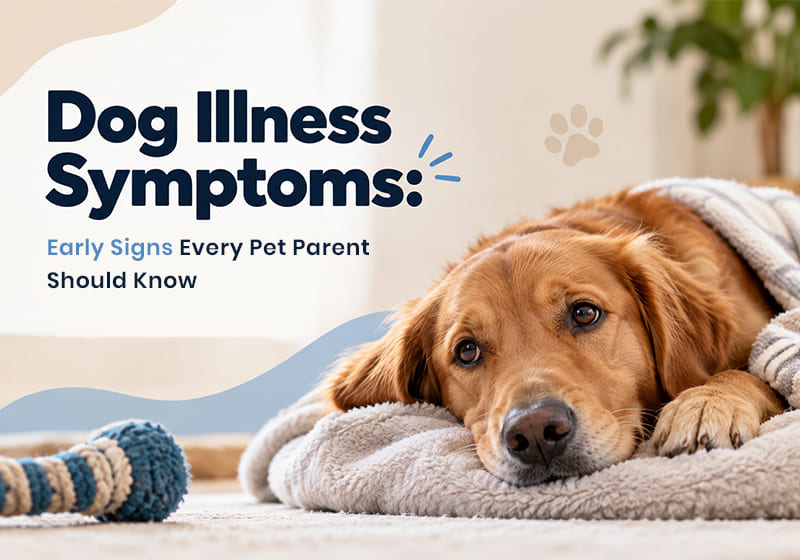
Parenting a dog comes with many responsibilities. And as our little furry babies cannot tell us directly when they are unwell, they may communicate changes through their behavior and body language. Therefore, as pet parents, it is important that we watch for early signs of illness so that potential health concerns can be assessed promptly. If you’re new to dog parenthood, you’ve come to the right place. In this blog, we’ll shed light on the early signs of dog illness that their hoomans should watch for.
Read on to find out more!
Early Signs of Illness in Dogs
Let’s look at some of the early signs of dog illness that pet parents should watch for.
1. Constant Coughing
Persistent coughing in dogs shouldn’t be dismissed as something light, as it can often be linked to underlying health conditions, including respiratory infections, chronic bronchitis, heart disease, or kennel cough. If your dog’s coughing has been consistent and prolonged, it can be linked to heartworm disease, among other conditions. Therefore, if your dog has a persistent or worsening cough, you should seek veterinary advice.
Heartworm prevention in dogs can be achieved with the administration of heartworm preventives throughout the year. Some of the most effective formulas include Heartgard Plus, Revolution, Interceptor, and Advantage Multi.
2. Excessive Scratching
Occasional scratching is normal for dogs. But chronic itching in dogs can be linked to several possible causes, including food sensitivities, environmental allergies, or parasite infections. Uncontrolled itching can also be accompanied by redness, swelling, hot spots, hair loss, and self-trauma, impacting your pal’s comfort and quality of life. Therefore, persistent, severe, or worsening scratching in dogs requires veterinary assessment. For flea and tick prevention, you can go for treatments like NexGard Chewables, Bravecto Chews, Simparica Trio, and Frontline Plus for Dogs.
3. Vomiting or Diarrhea
Vomiting and diarrhea in dogs can be linked to various factors, ranging from minor indigestion to serious conditions like intestinal obstruction or pancreatitis. Therefore, if vomiting or diarrhea persists, is severe, or is accompanied by other concerning signs, your dog should be checked by a veterinarian for appropriate diagnosis and treatment.
4. Sudden Weight Gain or Loss
Unexpected weight gain or loss can sometimes indicate an underlying health issue, particularly when there has been no intentional change in diet or activity. According to veterinarians, weight gain can be linked to conditions like hypothyroidism, fluid retention, or Cushing’s disease. Unexplained weight loss, on the other hand, can be linked to diabetes, vital organ failure, or even life-threatening cancer.
5. Bad Breath
Persistent bad breath in dogs can be a sign of dental or other underlying health problems. It is often accompanied by symptoms like swollen gums, excessive drooling, difficulty chewing, or changes in eating habits. In such situations, it is important to maintain proactive dental care to support your dog’s dental health. If left untreated, dental disease can worsen and cause pain, inflammation, and other oral health problems. Your veterinarian can advise whether further treatment is needed.
6. Lethargy
Lethargy in dogs is a nonspecific sign and can occur with many different health conditions like hypothyroidism, bacterial or parasitic infections, Lyme disease, diabetes, kidney or liver problems, arthritis, or canine parvovirus. Therefore, if your dog becomes unusually or severely lethargic, you should seek veterinary guidance for appropriate diagnosis and treatment.
7. Frequent Head Shaking
If you notice your dog frequently shaking its head, do not brush it off, as persistent head shaking can be linked to several possible causes, including ear problems such as ear mite infestations. Ear mites are ectoparasites that can infest a dog’s ears and may feed on skin oils, ear wax, and other debris within the ear canal. In case of ear mite infestation, head shaking can also be accompanied by intense scratching around the ears, crumbly ear discharge, and unusual or unpleasant odor in the ears. Head shaking in dogs can also occur with foreign objects, allergies, or excess earwax, moisture, or other ear problems. Therefore, if your dog is frequently shaking its head, you must seek veterinary guidance so that the underlying cause can be identified and appropriate treatment recommended.
Wrapping Up
Keeping dogs healthy involves proactive care, taking note of early signs of illness, and ensuring appropriate treatment. Remember that by paying attention to changes in your dog’s behavior, appetite, activity, and physical condition, you may be able to recognize potential health concerns earlier.
At BestVetCare, we carry a wide range of dog treatments and healthcare essentials at the best prices. Check out our online store to get your hands on your favorite products from the comfort of your home.